
Senior Drivers Alert Australia: Goodbye to Automatic Licence Renewals — New Tests and Rules Begin 2026

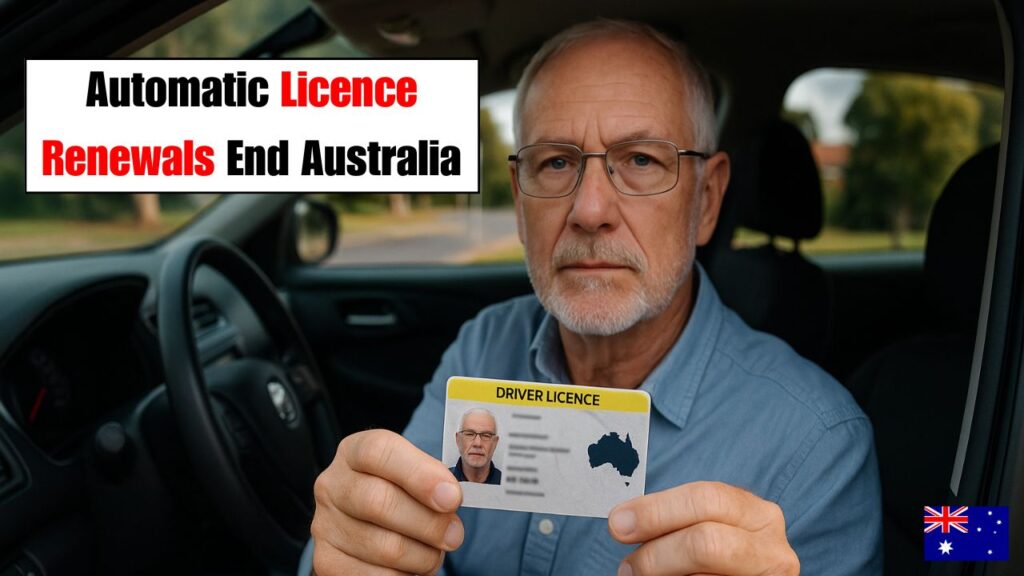
Senior Drivers Alert Australia – Australia is preparing for major changes to its driver licensing system, with senior motorists set to face stricter requirements from 2026. Under new proposals affecting older road users, automatic licence renewals will gradually be phased out, replaced by medical checks, vision assessments, and in some cases on-road testing. The reforms aim to improve road safety while balancing independence for older Australians who rely on driving for daily life. As the population ages and more people remain active drivers well into later years, these updated rules are expected to directly impact senior drivers across Australia, especially those aged 75 and above.
 NZ Super and Extra Payments in 2025: Total Support Up to $28,000 a Year Confirmed for Seniors
Senior driver licence changes across Australia starting 2026
Across Australia, senior driver licence rules are being reshaped to reflect changing road safety data and an ageing population. From 2026, older motorists will no longer be able to rely on automatic licence renewals once they reach specific age thresholds. Instead, Australian states and territories will introduce regular medical assessments, eyesight checks, and in some cases practical driving tests. These measures are designed to identify health or cognitive conditions that could affect driving ability. While most senior drivers remain safe and capable, authorities believe periodic testing will help reduce accident risks without unfairly targeting older Australians who continue to drive responsibly.
 New NZ Super Reporting Rules: Seniors Must Update Income Details or Risk Losing $1,000+ in Payments
New driving tests for older Australians replacing automatic renewals
For older Australians, the shift away from automatic licence renewal marks a significant change in how driving eligibility is assessed. Depending on age and medical history, drivers may be required to complete doctor-certified health reports, vision screening, or supervised on-road assessments. The process will be gradual, allowing seniors time to prepare and adapt. Governments have stressed that these rules are not intended to remove licences unnecessarily, but to ensure drivers can safely operate vehicles. Support services, refresher driving courses, and conditional licences are expected to help senior motorists maintain mobility wherever possible.

| Age Group | Current Requirement | New Requirement from 2026 |
|---|---|---|
| 70–74 | Automatic renewal | Medical declaration |
| 75–79 | Medical check | Medical + vision test |
| 80+ | Annual medical review | Medical + on-road assessment |
| Conditional licences | Limited use | Expanded availability |
Australian government focus on road safety for senior motorists
The Australian government has framed these licence reforms as part of a broader road safety strategy aimed at reducing serious injuries and fatalities. Data shows that while senior drivers generally have fewer accidents, injuries tend to be more severe when crashes occur. By introducing targeted assessments rather than blanket bans, policymakers aim to protect both older motorists and other road users. Importantly, conditional licences may allow seniors to drive during daylight hours or within local areas, helping maintain independence while prioritising safety across Australian roads.
 New Driving Licence Rules for Seniors in New Zealand: Medical and Eye Tests Required After Age 75
What elderly drivers in Australia should prepare for now
Elderly drivers in Australia are encouraged to prepare early for the upcoming licence changes. Regular health check-ups, eye tests, and honest discussions with medical professionals can make the transition smoother. Staying informed about state-specific requirements is also essential, as rules may vary slightly across regions. Many road authorities recommend voluntary driving assessments and refresher courses, which can improve confidence and demonstrate capability. Planning alternative transport options, such as community transport or family support, can also help seniors stay mobile if driving becomes restricted.
 Cost-of-Living Support in New Zealand: Extra Payments of $250–$500 Available for Eligible Households
Frequently Asked Questions (FAQs)
1. When do the new senior driver rules start in Australia?
The new licence assessment rules are expected to begin rolling out nationally from 2026.
2. Will all older drivers need to take a driving test?
No, only some age groups or higher-risk cases may require on-road assessments.
3. Can seniors still drive with health conditions?
Yes, many can continue driving with medical clearance or conditional licences.
4. Do these rules apply the same in every Australian state?
Core rules are similar, but specific requirements may vary by state or territory.
